


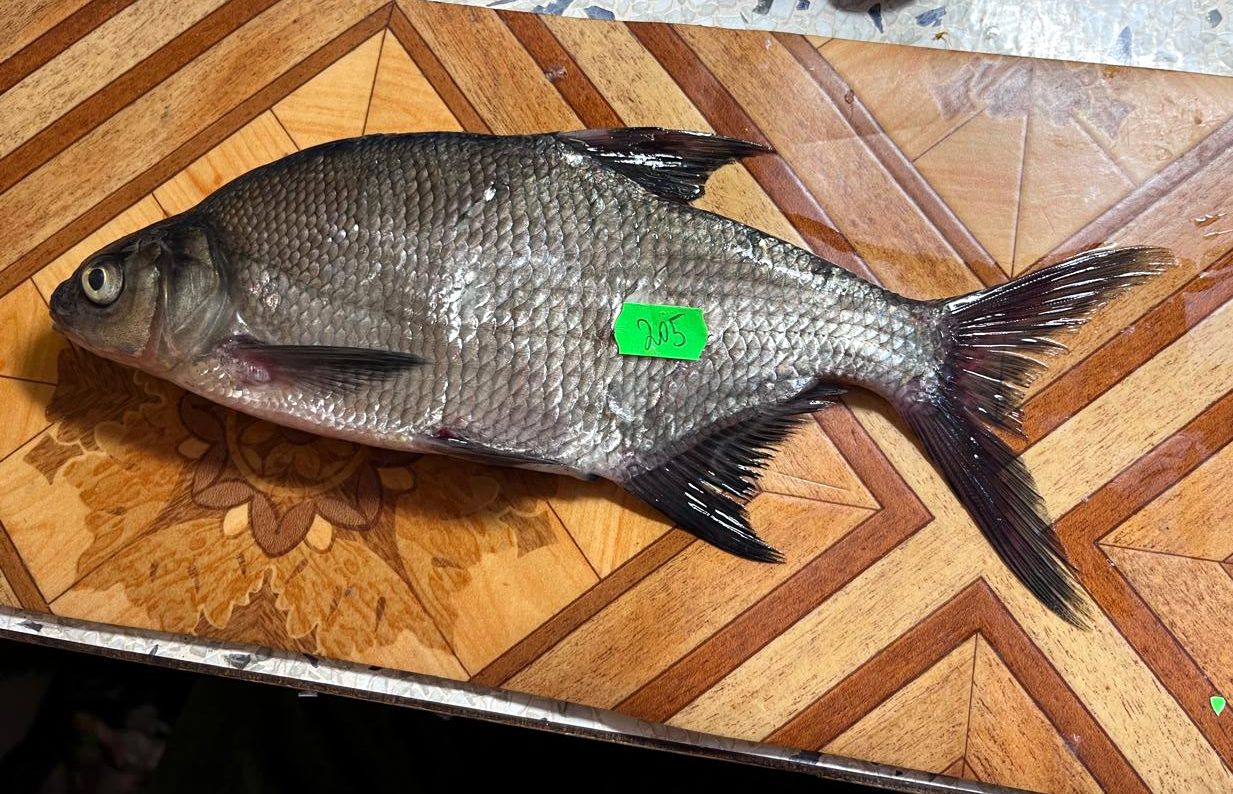
– Our goal at this stage was to assess the parasite's impact on the biochemical and physiological parameters of its host – the bream – and to determine whether this popular commercial fish can still be consumed if infected. The ligula is a rather large worm, and while residing in the body cavity of the fish, it not only deprives the host of nutrients but also exerts significant pressure on its internal organs. We decided to find out how it affects the physiology of the bream, – shared Nadezhda Kantserova, Senior Researcher at KarRC RAS Institute of Biology.
One of the parameter the scientists analyzed was oxidative stress, which causes injuries to animal organs at the time of disease, parasitic infections, or critical environmental stresses. Judging by the inert behavior of the antioxidant system, i.e. antioxidant enzymes and vitamins A and E, bream organs showed no signs of oxidative stress.

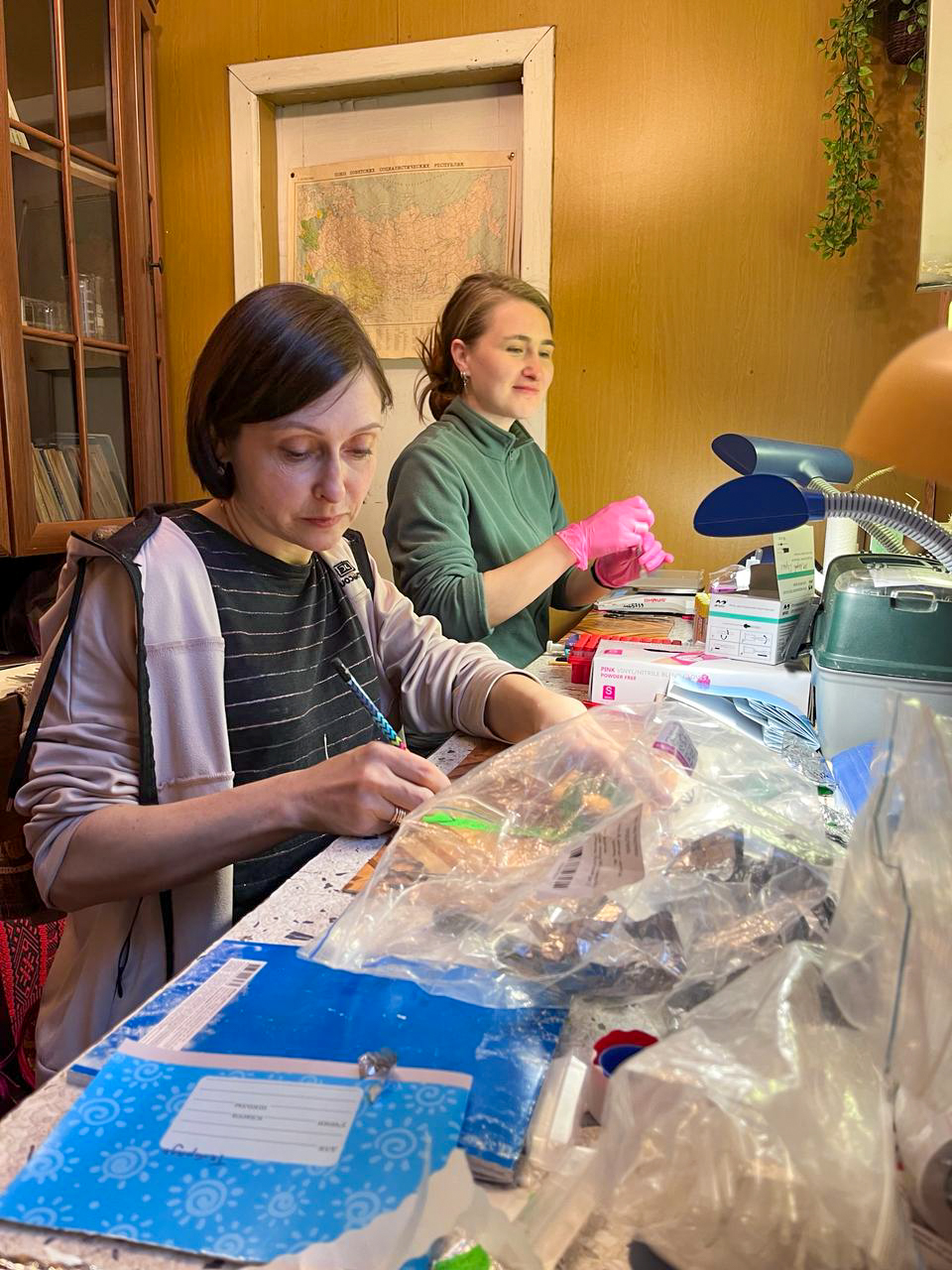
Nadezhda Kantserova, Senior Researcher of Ecological Biochemistry Laboratory, Institute of Biology KarRC RAS
– This stands to reason, as the parasite doesn’t mean to kill its host – its priority is to live comfortably inside. If an infected animal dies, there must also be another factor at play: poor nutrition, a weakened immune system, unfavorable temperature, and so on, – clarified Darya Lebedeva, Research Leader, Senior Researcher at KarRC RAS Institute of Biology.
The life cycle of ligula worms involves three hosts: the first is a crustacean, the second is a fish, primarily of the Leuciscidae family, and the third and definitive host is a piscivorous bird. The bream swallows parasitic larvae up with its food; the larvae then grow and develop inside the fish. By the time a bird eats the fish, the ligula is fully prepared to breed. When inside the bird, the parasite produces eggs, which are dispersed through the bird's droppings. The eggs are consumed by crustaceans, and the cycle repeats.
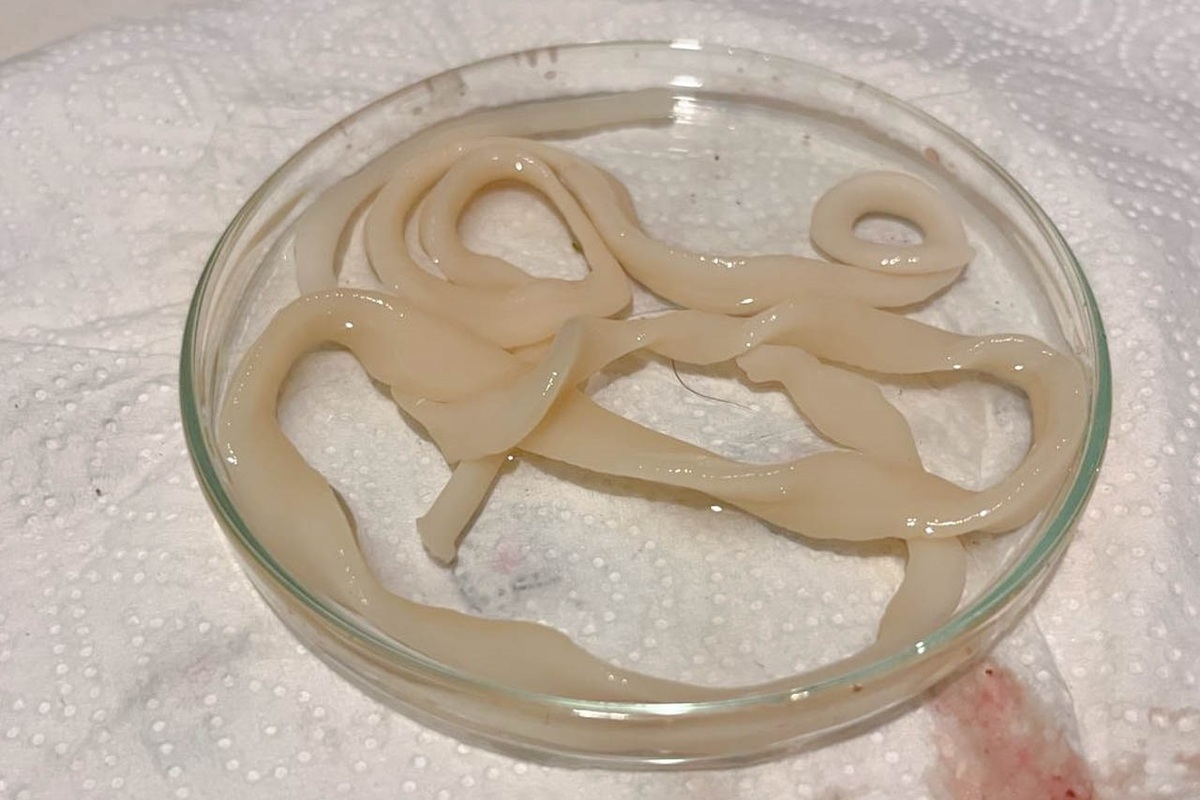
Ligula intestinalis retrieved from a bream
Another indicator assessed by the scientists was the nutritional value of breams with ligulosis. The primary focus was on the condition of skeletal muscles – the main fish component that people consume. Skeletal muscles make up more than half of the body mass and play a crucial role in the metabolism and physiology of fish. One might surmise that since the ligula grows at the host's expense, consuming nutrients from its body, this would negatively impact the bream’s muscle condition.
– Skeletal muscles are a major protein and lipid depot. During periods of starvation or impaired nutrient absorption, the proteins in skeletal muscles begin to break down into amino acids, which are then used as a source of energy and building materials for the organism of both the fish and the parasite. We assessed the condition of the muscles by analyzing protein content, their amino acid composition, and lipid reserves – specifically triacylglycerols, and found no difference in these parameters between infected and uninfected fish. Even when hosting the ligula, breams forage as usual – the intestines of the examined fish were full. Hence, the ligula does not lead to depletion or degradation of the host's muscle tissue, – explained Nadezhda Kantserova.
Experts also investigated the accumulation of heavy metals in infected breams, assuming that these elements can be transmitted up the food chain from aquatic crustaceans to the parasite and then further to the fish host, but there was no difference between infected and uninfected fish individuals. This finding aligns with the generally low level of heavy metal pollution in the lake.
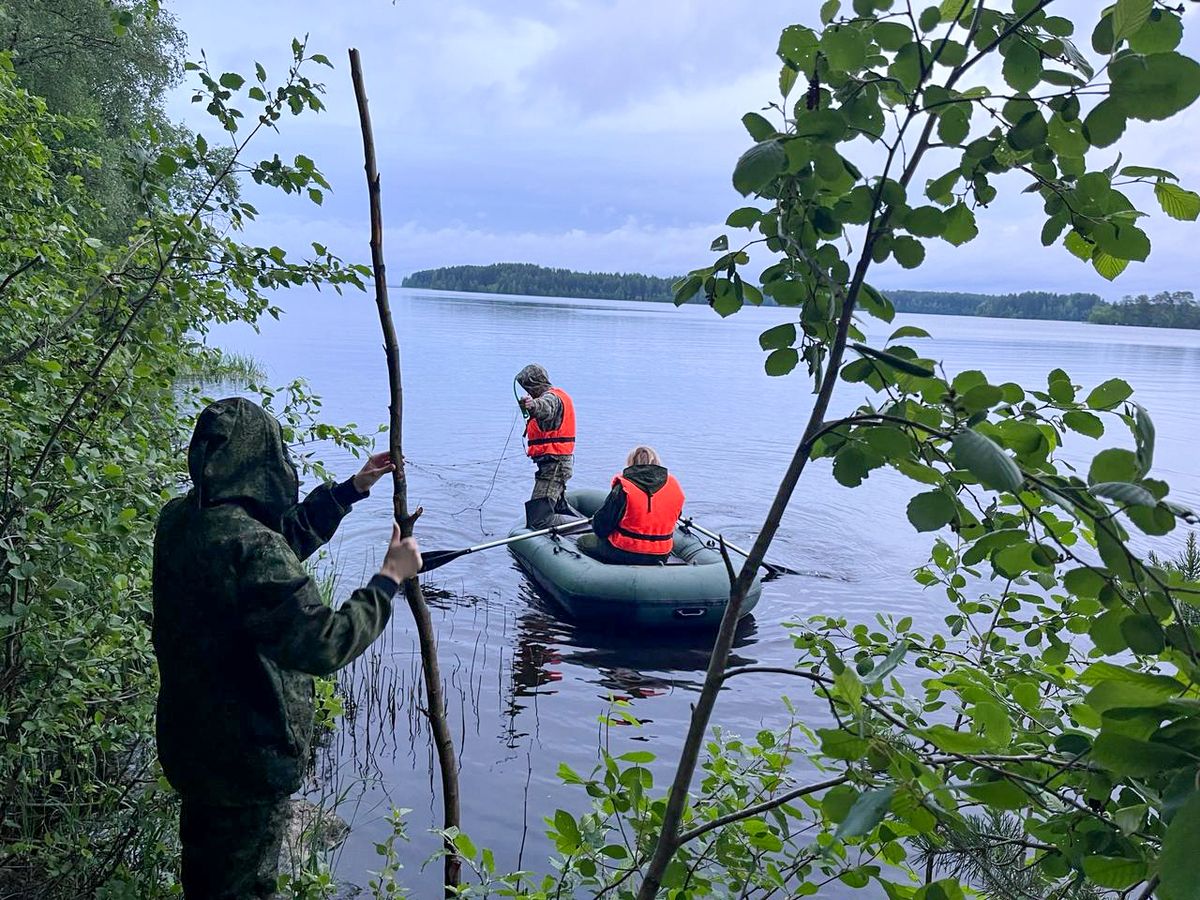
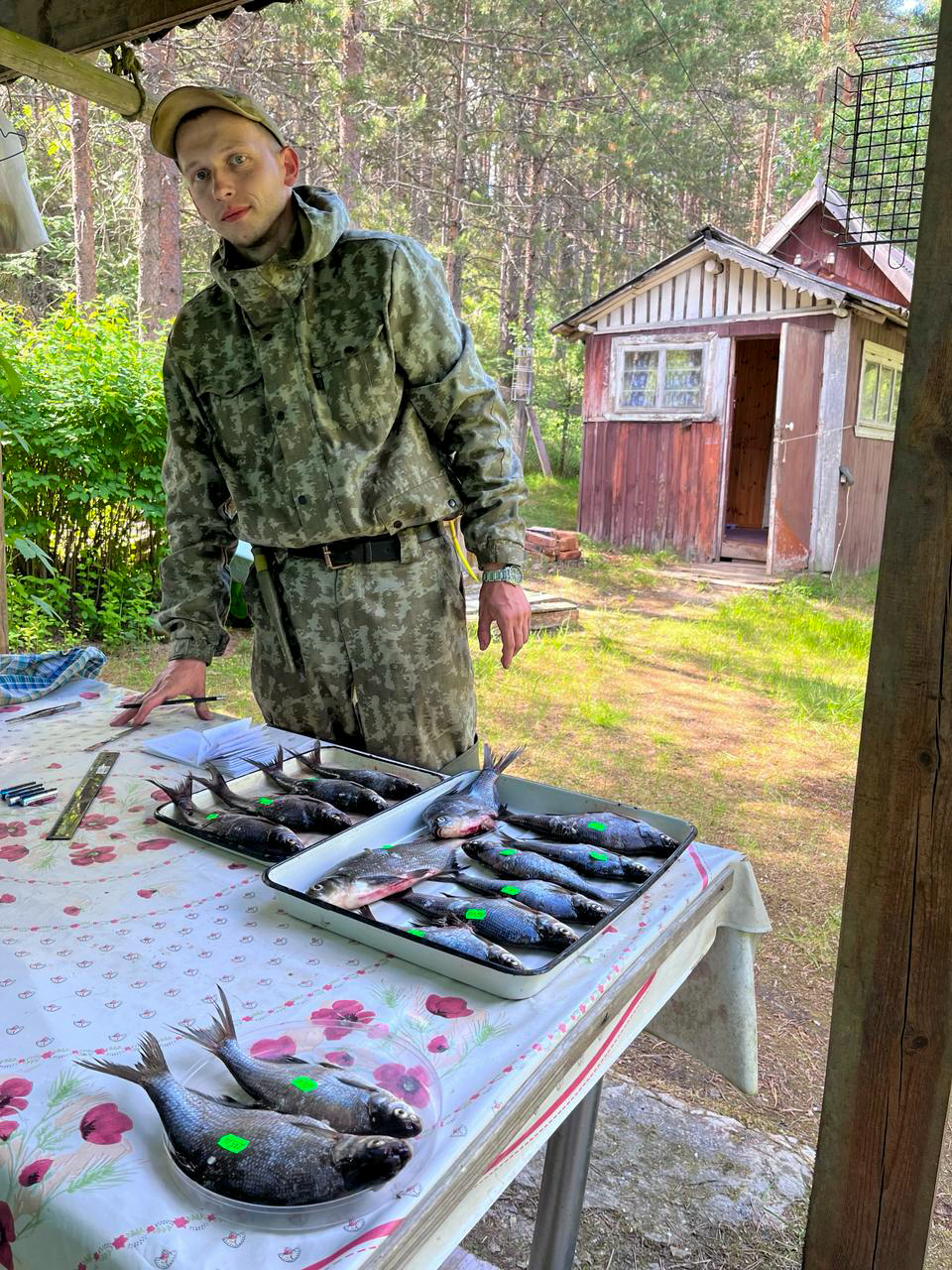
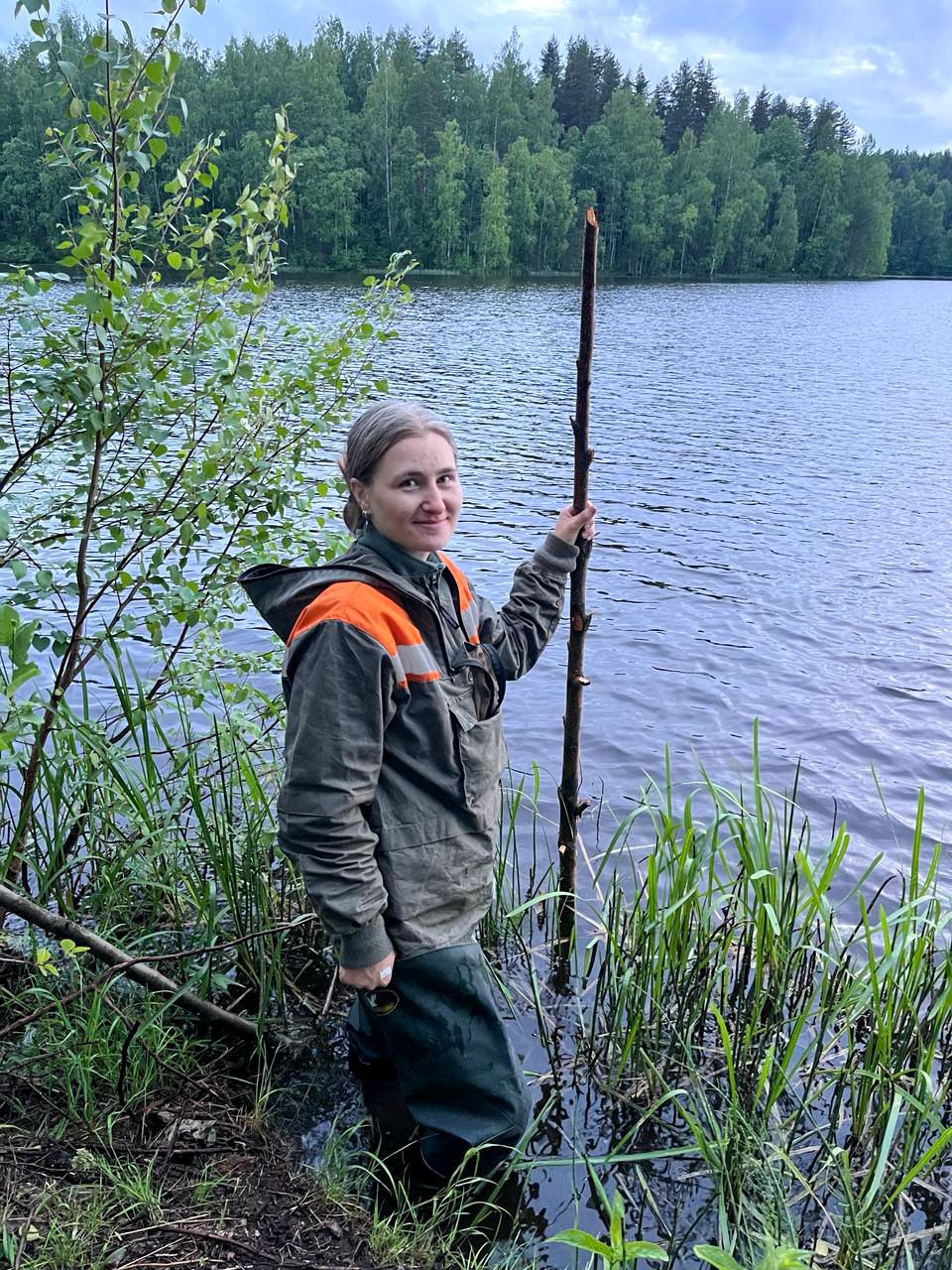
Fishing for the study
It would be wrong however to say that the ligula has no effect whatsoever on the infected host. Young fish are thought to tolerate ligula infection not so well. Furthermore, as the parasite matures and is ready to breed, it alters the fish's behavior, urging it to swim closer to the surface and even turn belly-up to become more noticeable to piscivorous birds. However, this factor does not affect the nutritional value of the fish.
–– The main recommendation is this: if you find a ligula in a bream or other fish, remove the worm along with the innards and, if possible, dispose of it in a way that makes the parasite inaccessible to birds (for example, by burying it). It’s important to ensure that the parasite is not passed further, since the key role in spreading the disease belongs to gulls and other fish-eating birds. – summed up Darya Lebedeva.
The studies are implemented within the project #24-26-00251 funded by the Russian Science Foundation. Since the mid-20th century, Lake Syamozero has been a model lake in Karelia for various studies, including parasitology issues. As the authors of the study stated in an article published in Ecologica Montenegrina[href]Ecologica Montenegrina, ligula worms were not encountered in freshwater breams in the 1950s. The first report dates back to 1973. Since then, the abundances of this parasite have fluctuated. Scientists attribute this to the state of the bream population, which saw a serious decline in the 1970s-1990s, possibly due to human impact. Following a prolonged fishing ban, the bream population recovered, but the diet of the fish changed. Fertilization-induced eutrophication of the lake inhibited the development of benthic communities while triggering "blooms" – a rise in plankton biomass. The share of copepods in the bream's diet increased, and so did the rate of bream infection with ligula. Current infection rates for breams are similar to those of 1975, indicating a relatively high proportion of plankton in their diet.
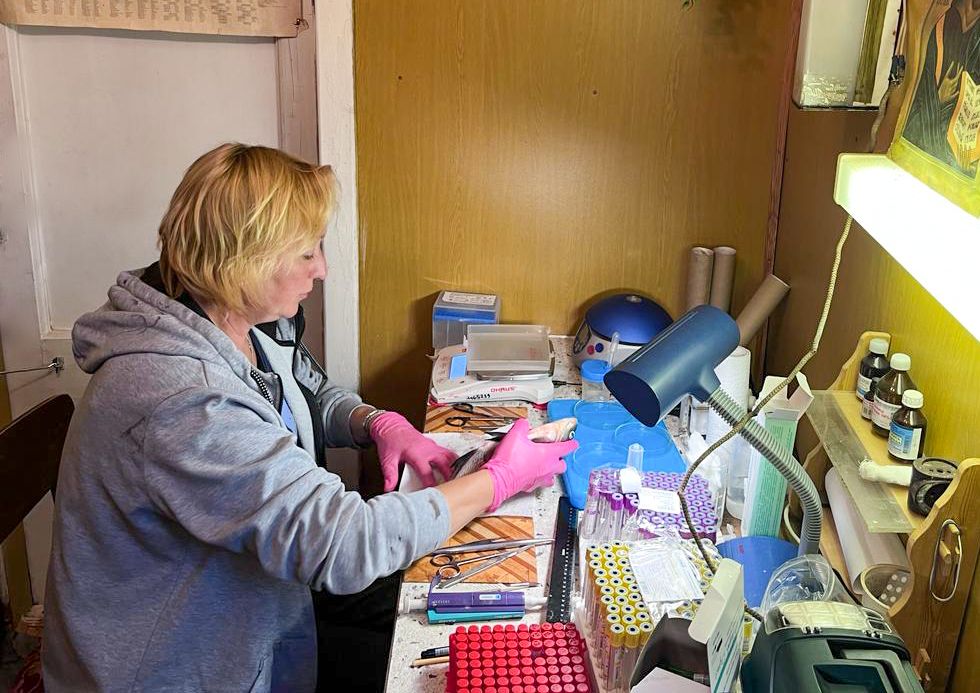
Irina Sukhovskaya, Senior Researcher of Ecological Biochemistry Laboratory, Institute of Biology KarRC RAS
In this project, scientists collected data on the prevalence of the ligula parasite in freshwater bream in several lakes in Karelia: besides Lake Syamozero, it was Lakes Onego, Ladoga, Svyatozero, and Konchezero. The researchers have also obtained genetic information for L. intestinalis from bream in Karelia. They emphasize the need to study this parasite in other fish species inhabiting the region to understand the species-specificity of its transition to the second intermediate host, from fish to birds. It’s also important to gather information on the main bird species that carry L. intestinalis. These data will help develop epidemiological methods, as well as methods for controlling and treating ligulosis, a disease which is widespread and classified as a natural-source disease.
Photos provided by project participants