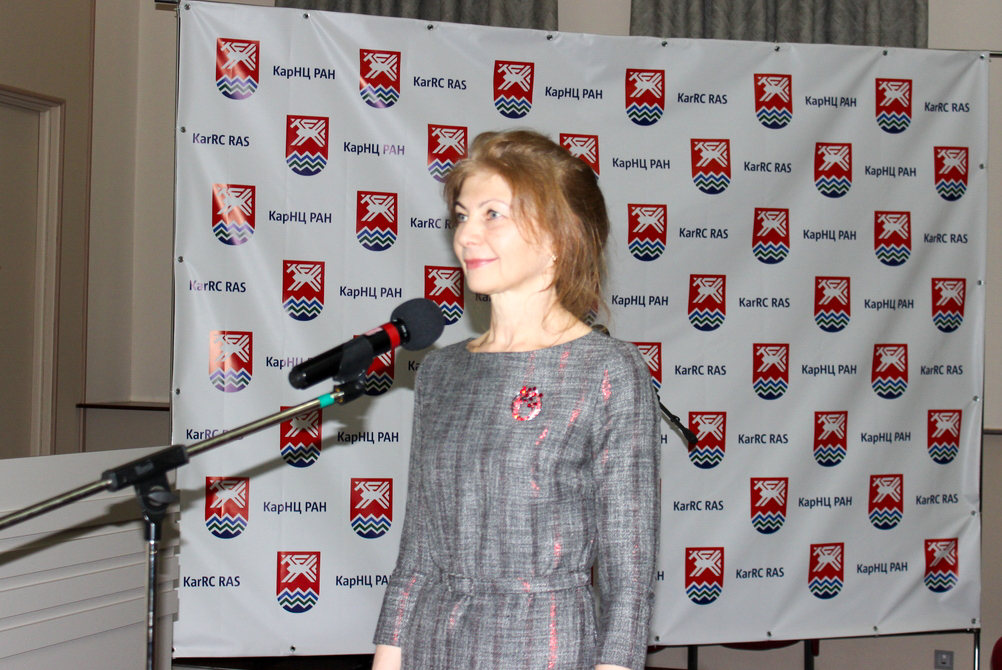


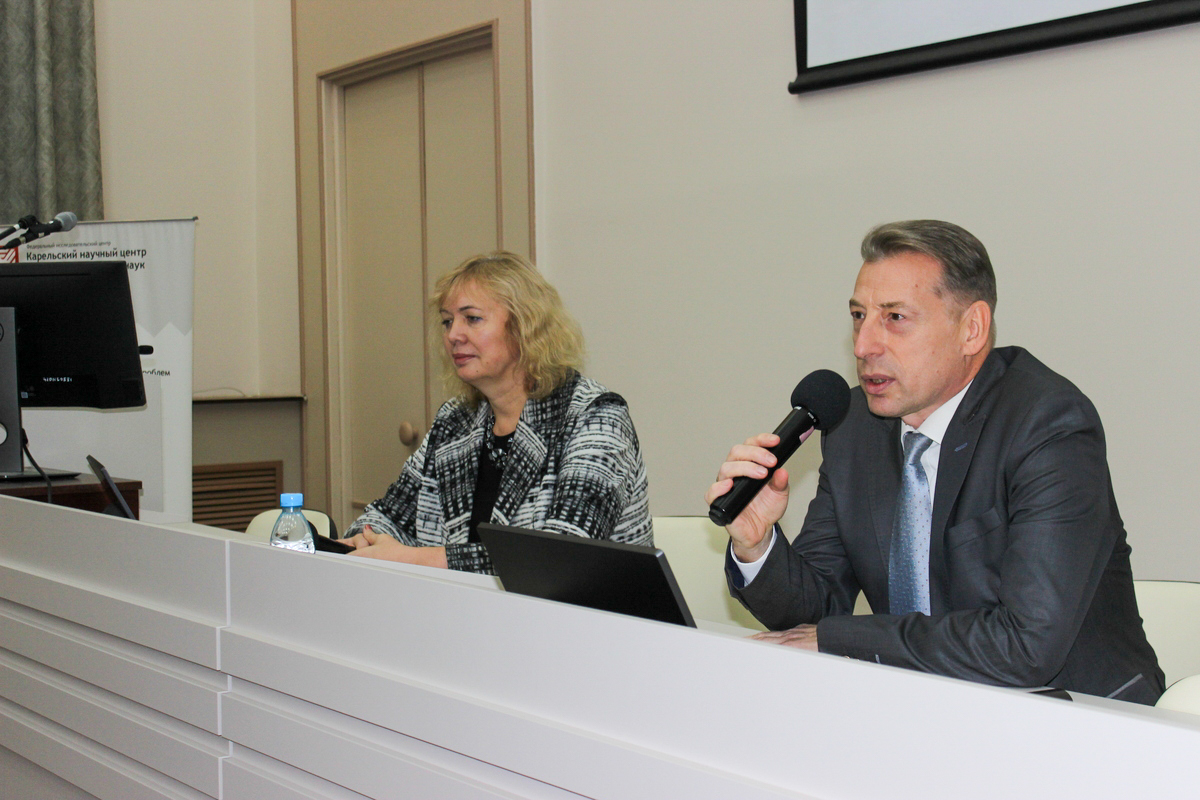
– Tourism development is one of the most compelling questions in Arctic studies. How can we reconcile economic growth, creation of tourist routes and infrastructure, on the one hand, with the preservation of the vulnerable northern nature and fragile ecology, on the other? We have long been working in Arctic territories, and our scientists deal with the questions of tourism development in the Arctic, but all these dimensions are to be considered in their entirety. One of the objectives of research and seminars focusing on the Arctic is to provide an impetus for project activities, including interdisciplinary efforts, – said KarRC RAS Leader Olga Bakhmet in her welcoming address to the participants.
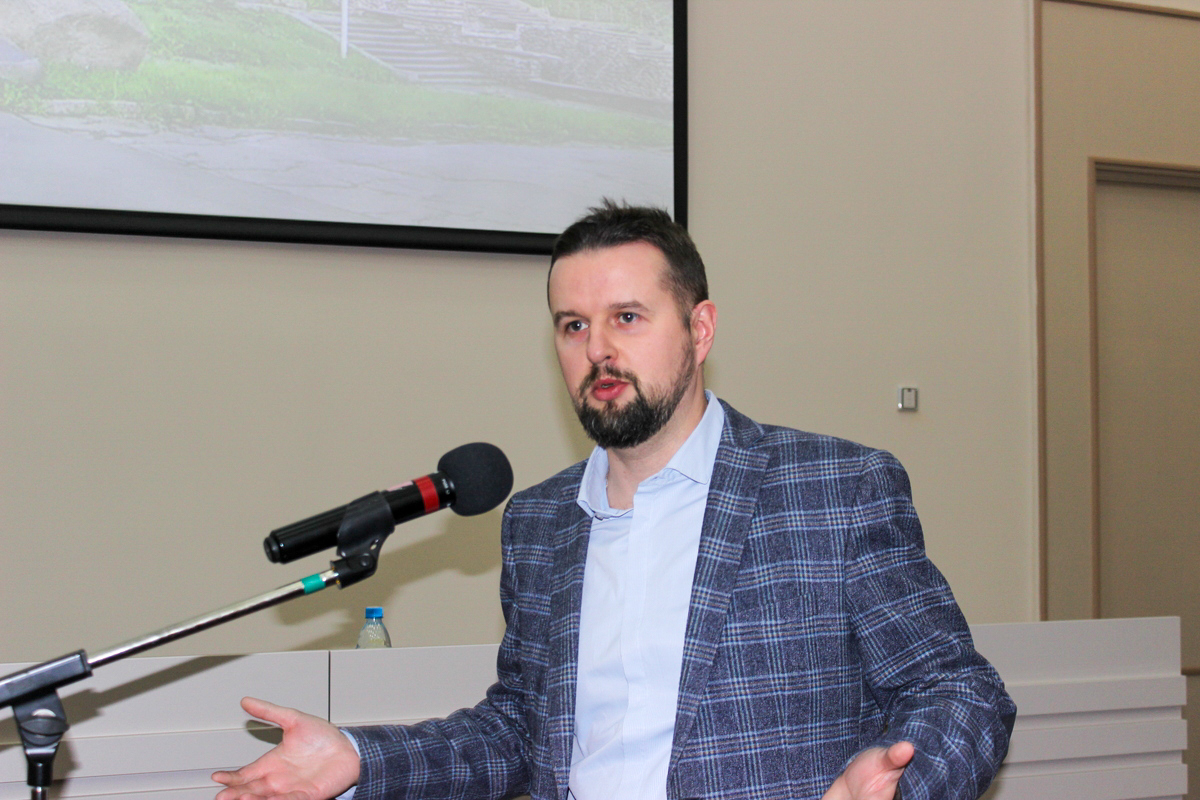
A presentation on the theoretical and methodological aspects of developing Arctic tourism systems was delivered by Anastasia Vasilyeva, Senior Researcher at the Institute of Economics KarRC RAS.
– The goal of the study was to work out an assessment methodology which can be used to identify spatial patterns and specific features of the development of tourism systems in the Arctic, and then to produce a typology based on the results, – said Anastasia Vasilyeva.
The authors believe this typology can provide an efficient tool for taking knowledge-based management and investment decisions. Considering the current legislation and interest among regional and local authorities and businesses, the Arctic can be a promising region for tourism development.
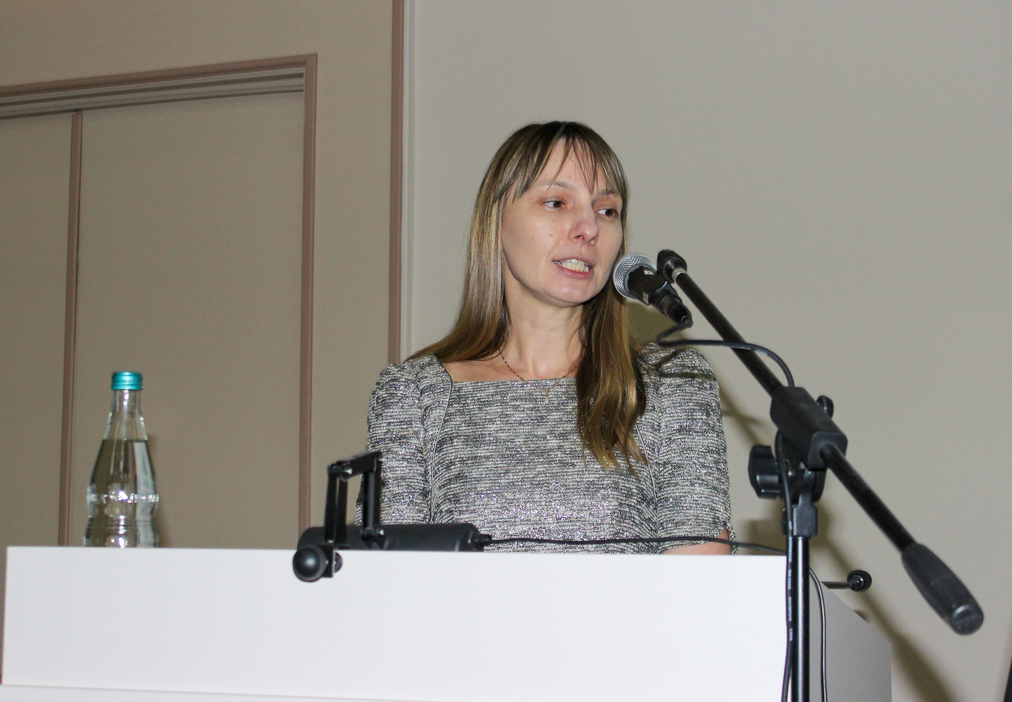
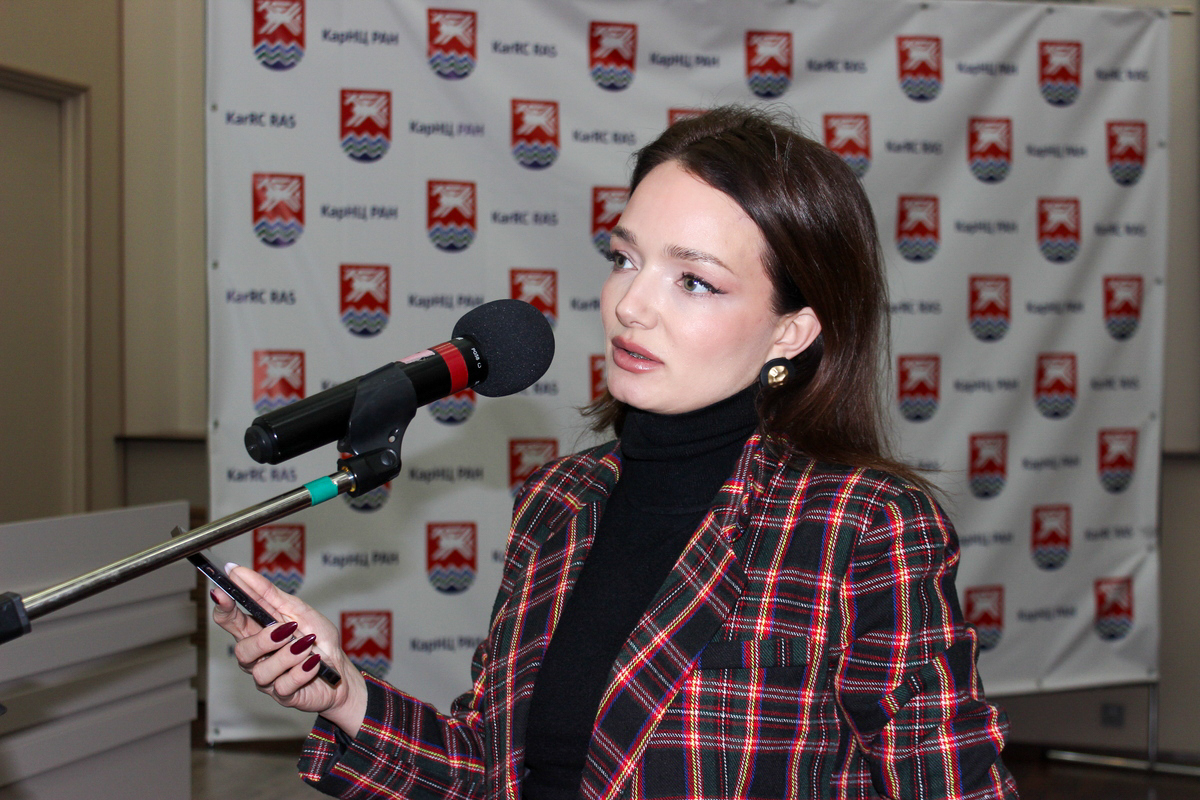
Ekaterina Shlapeko, Senior Researcher of the Institute of Economics KarRC RAS
The second talk titled “Arctic tourism: development strategies and tour operators’ opinion” was given by Senior Researcher of the Institute of Economics KarRC RAS Ekaterina Shlapeko.
– In this study, we have analyzed the current trends and identified prospects for the development of Arctic tourism through expert judgments given by tour operators of the Russian Arctic zone, – informed Ekaterina Shlapeko.
Having talked to tour operators from all Arctic regions, researchers note that the number of tourists willing to visit the north of the country has been growing steadily since 2020.
According to tour operators, tourists are primarily attracted by hunting, fishing, and the snowy expanses of the Arctic. Travelers head to the Arctic for adventure, extreme experiences, the chance to push their limits, and to learn about the lifestyle and culture of the indigenous peoples. Also, gastronomic tourism and Arctic cuisine are not merely a trend, but part of the region's promotion strategy.
At the same time, both tourists and tour operators note that the Arctic has shifted from being "beyond limit" expensive to "just" expensive.
Overall, regional authorities support tourism development, business is interested, and locals are actively involved in doing jobs for the sector.
All tour operators evaluate the potential of their territories as high, yet only partially utilized. The latter is due to insufficient tourist infrastructure, primarily accommodation facilities and eateries, poor road quality, and a transportation shortage. Furthermore, the average payback period for facilities, such as hotel infrastructure, in the Arctic zone is rather long – up to 15 years.
The study was funded by the Russian Science Foundation with project #24-28-00092 «Development of domestic and international inbound tourism in the Russian Arctic with considerations for the interests of the local community and environmental sustainability».
The presentations were followed by an active discussion of the topics by both members of the scientific community and representatives of the tourist industry.
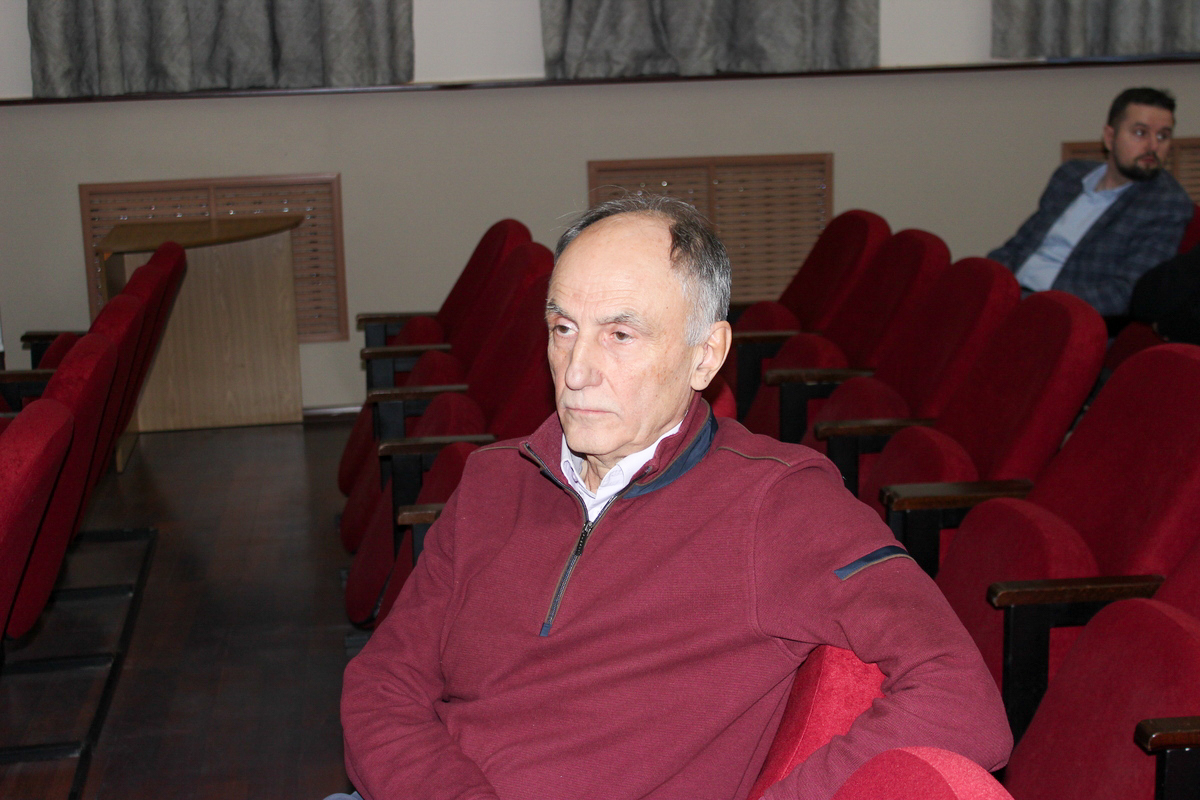
Speaking up during the discussion, Director of the KarRC RAS Institute of Geology Sergey Svetov recommended paying attention also to geological destinations.
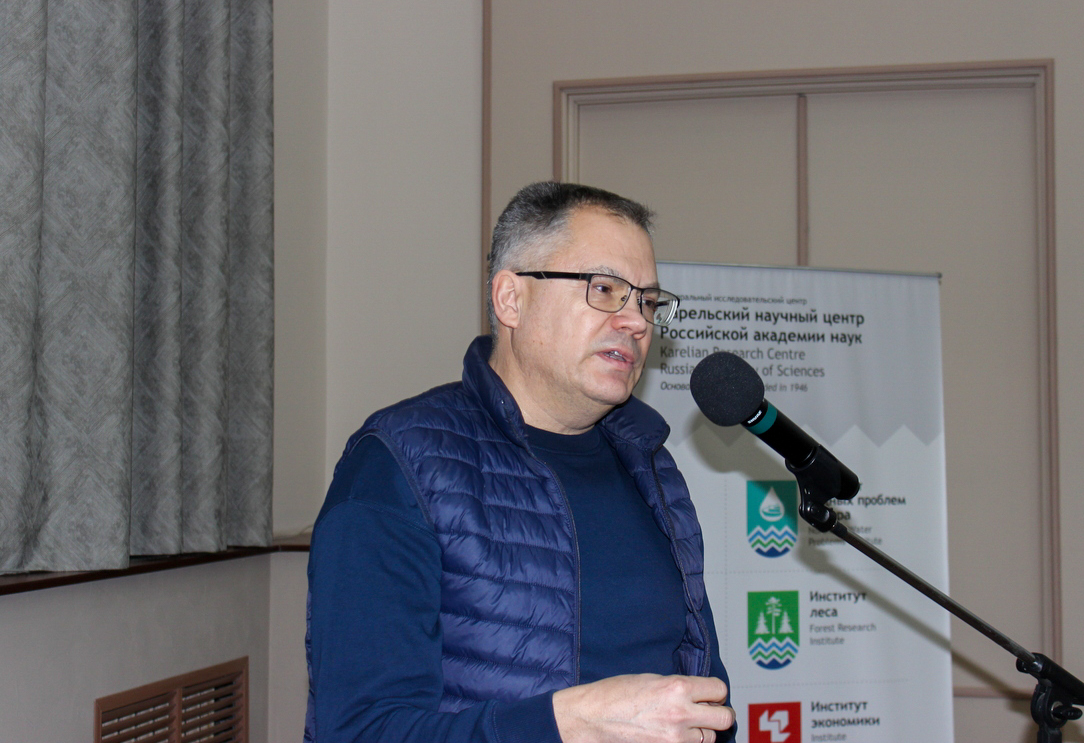
Sergey Svetov, Director of the Institute of Geology KarRC RAS
Vladimir Bystrykh, representing Kutkh Travel tour operator (Chukotka Autonomous Okrug), cited the revival of general aviation and the re-creation of an extensive network of local airfields, which ensure mobility for both the local population and tourists, as one of the issues to be resolved for tourism development. On the other hand, he questioned whether it is advisable to develop mass tourism in the Arctic. Are the northern regions prepared for a massive inflow of tourists? Overall, most speakers agreed that tourism development in the Arctic would benefit the local territories as well, since it will help diversify the economy and promote the development of the road network, general aviation, transport, hotels, lodgings and eateries.
As noted by the workshop moderator, Dmitry Bazegsky, Deputy Head of the Department for Multidisciplinary Research KarRC RAS, Karelian Government has set the goal to increase the share of tourism in the gross regional product to 8% by 2030. Currently, it is just over 3%. "This is a very ambitious task for local authorities and businesses, and the scientific community is also called upon to help accomplish it”, – stressed Dmitry Bazegsky.
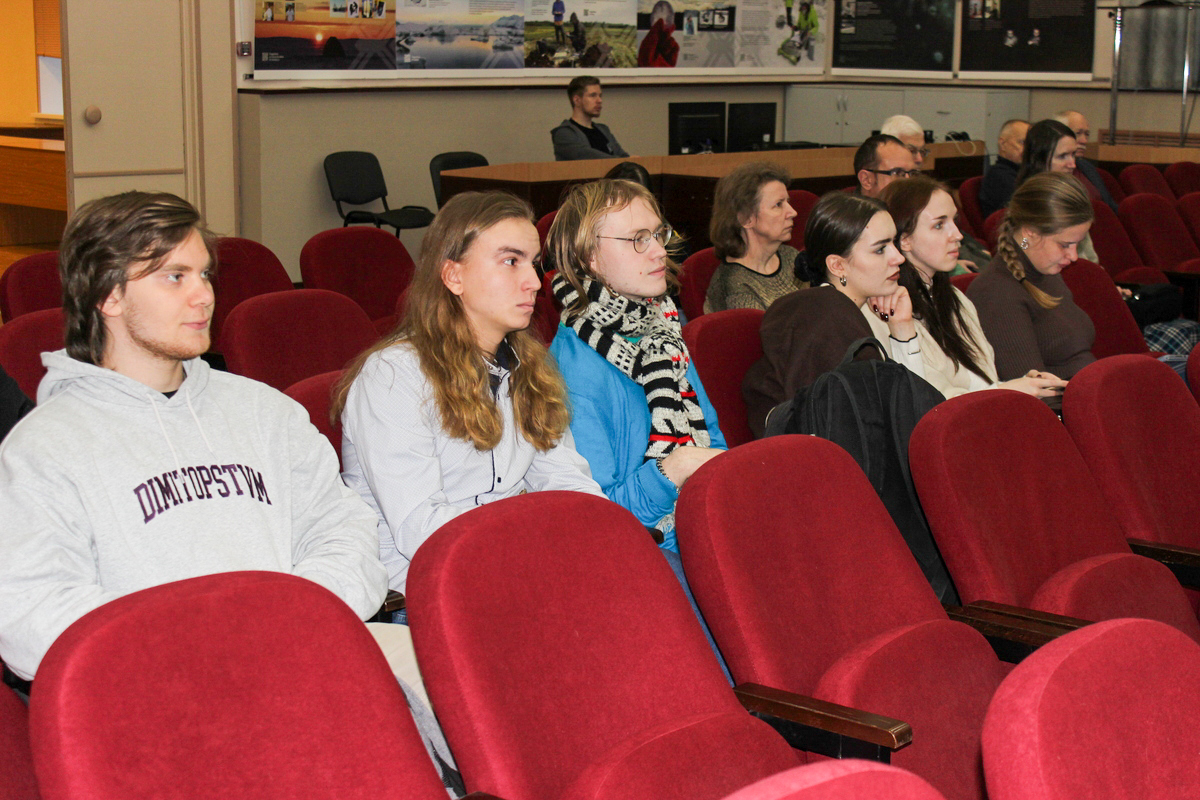
Workshop participants
A series of workshops dealing with various aspects of the socio-economic development of Arctic territories, the ecology of the White Sea and Arctic ecology in general, regional identity, attitudes of the public towards Arctic development programs, and other topical issues has been taking place at KarRC RAS for two years.