


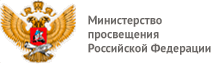
On November 26-28, Federal Territory hosted the 5th Congress of Young Scientists, regarded as a key event of the national Decade of Science and Technology (2022-2031). The Congress served as the largest platform for dialogue between cutting-edge and basic science, government authorities, and the real sector of the economy. Participants were familiarized with a wide range of the latest scientific developments and networked with colleagues from other regions.
Notwithstanding the great diversity of topics, the plenary session and numerous events were united by the key theme of the Congress “Energy of Science: from Knowledge Potential to Creating the Future”.
Karelian Research Centre RAS was represented in Sochi by Chairperson of the KarRC RAS Young Scientists’ Council, Senior Researcher at the Institute of Geology KarRC RAS Svetlana Egorova, Junior Researcher of the KarRC RAS Department for Multidisciplinary Research Alexandra Kamova, and Doctoral Student of KarRC RAS Institute of Biology Irina Zaitseva.
- The congress offered an extensive agenda, allowing each participant to find the topics they’re most interested in: from social support to young scientists and popularization of science to research grants, prioritized fields, and evaluation of scientific organization’s performance, - noted Svetlana Egorova, Chairperson of the KarRC RAS Young Scientists’ Council, Senior Researcher at the Institute of Geology KarRC RAS.
– The scope of the event, the age of the participants, and their achievements are impressive! It’s so nice to see the passion in the eyes of young scientists presenting their projects. The plenary and lecturing sessions addressed the crucial issues of food security, development of the agro-industrial sector, technological advancement, and AI solutions for scientific challenges, - added Alexandra Kamova.
KarRC RAS
in social media


in social media
News
November 28, 2025
Scientists of KarRC RAS took part in Young Scientists’ Congress at Sirius
A group of researchers from KarRC RAS took part in the 5th Young Scientists’ Congress held at the Sirius Federal Territory in Sochi. Over eight thousand participants from more than a hundred countries – early-career and renowned scientists, officials and businesspersons – worked actively at the plenary sessions and discussion grounds of this international scientific forum.
A group of researchers from KarRC RAS took part in the 5th Young Scientists’ Congress held at the Sirius Federal Territory in Sochi. Over eight thousand participants from more than a hundred countries – early-career and renowned scientists, officials and businesspersons – worked actively at the plenary sessions and discussion grounds of this international scientific forum.
See also:
December 1, 2025
Russian Science Foundation supported Karelian scientists’ projects
Four grant applications submitted by scientists of the Karelian Research Centre RAS were approved by the Russian Science Foundation. The projects by Karelian researchers deal with issues such as building a methodology for the identification, monitoring, and protection of certain wetlands, increased mortalities among young farmed trout relocated to natural water bodies, assessing the anti-inflammatory properties of natural dietary supplements promising for trout farming, and reconstruction of the thermal history of the Earth's crust formation in northern Karelia and southern Murmansk Region.
Four grant applications submitted by scientists of the Karelian Research Centre RAS were approved by the Russian Science Foundation. The projects by Karelian researchers deal with issues such as building a methodology for the identification, monitoring, and protection of certain wetlands, increased mortalities among young farmed trout relocated to natural water bodies, assessing the anti-inflammatory properties of natural dietary supplements promising for trout farming, and reconstruction of the thermal history of the Earth's crust formation in northern Karelia and southern Murmansk Region.
November 28, 2025
Karelian scientists and tour operators from regions of Russia discussed tourism development in the Arctic
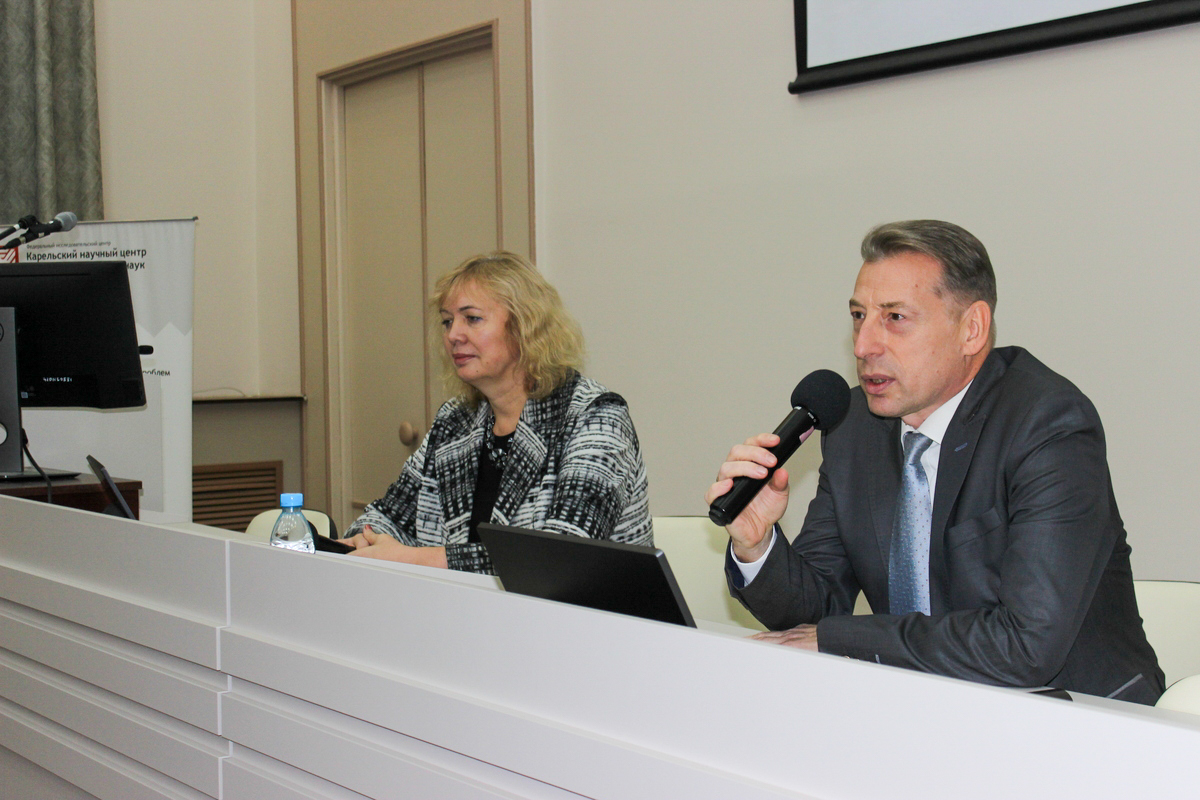
Researchers at the KarRC RAS analyzed current trends and identified prospects for the development of Arctic tourism based on the judgments of tour operators from all regions of the Russian Arctic. The results of this study, their applications, and potential solutions to existing problems were discussed by participants of the 5th Workshop "Integrated Development of Arctic Territories: an Expert Opinion," which brought together interested specialists from the country's northern regions.
Researchers at the KarRC RAS analyzed current trends and identified prospects for the development of Arctic tourism based on the judgments of tour operators from all regions of the Russian Arctic. The results of this study, their applications, and potential solutions to existing problems were discussed by participants of the 5th Workshop "Integrated Development of Arctic Territories: an Expert Opinion," which brought together interested specialists from the country's northern regions.
November 26, 2025
KarRC RAS to run trials of Belarusian technologies for woody plant reproduction
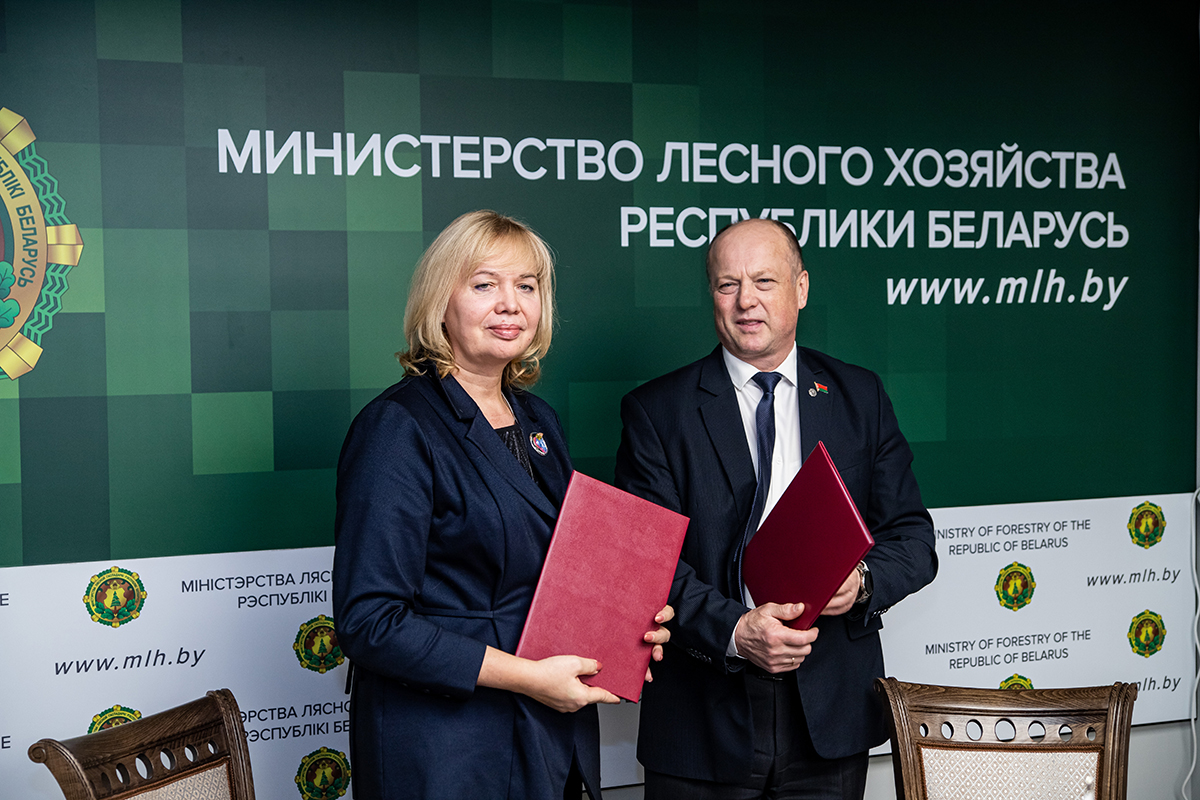
KarRC RAS CEO Olga Bakhmet signed a cooperation agreement with the Belarusian Republican Forest Breeding and Seed Production Center (RBSPC). Karelian Research Centre RAS will be a base for trying out Belarusian technologies for reproduction of woody plants in a northern environment.
KarRC RAS CEO Olga Bakhmet signed a cooperation agreement with the Belarusian Republican Forest Breeding and Seed Production Center (RBSPC). Karelian Research Centre RAS will be a base for trying out Belarusian technologies for reproduction of woody plants in a northern environment.
November 24, 2025
Breams infected with ligula worms are edible
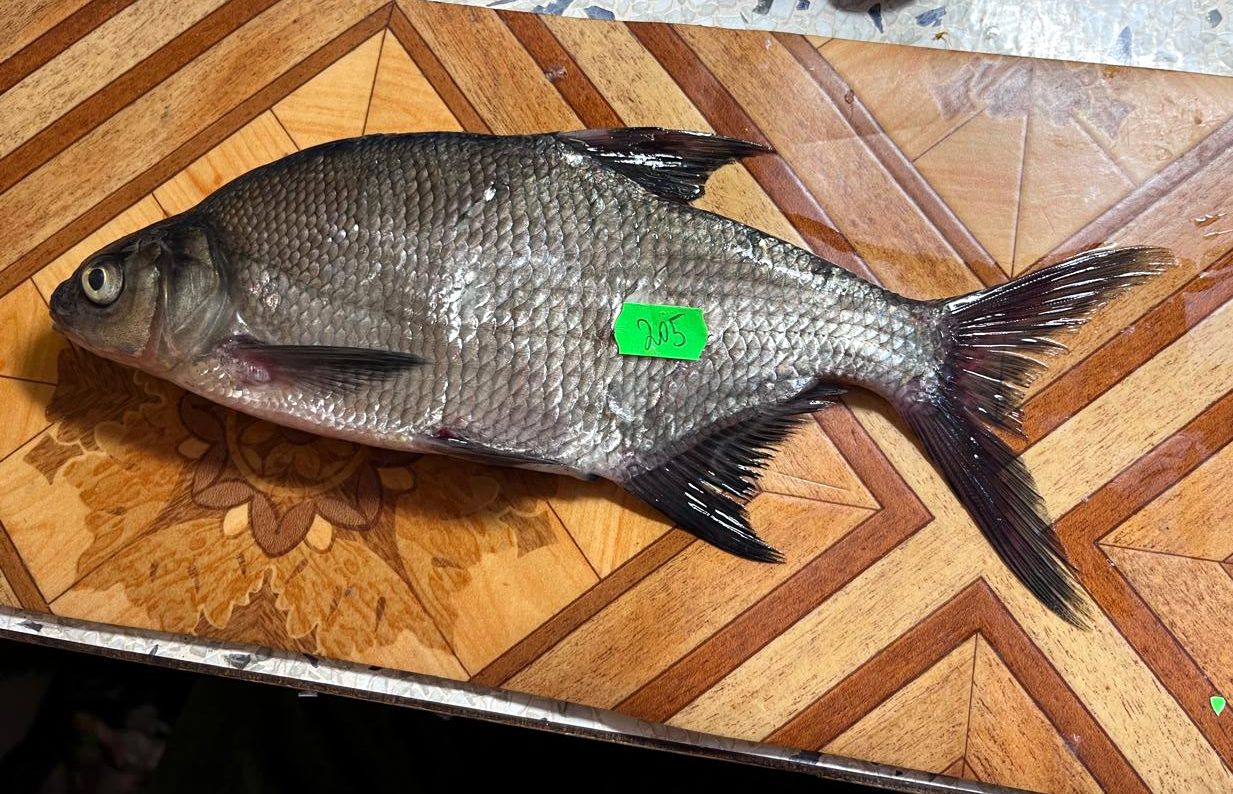
Biochemists and parasitologists at KarRC RAS studied how the wellbeing and nutritive value of the bream is affected by ligula – a flatworm that can grow to be several times as long as the host fish. To this end, scientists checked a number of crucial parameters in healthy and ligula-infected fish from Lake Syamozero. Analyses show that this parasite, non-hazardous for humans, does not have much effect on the quality of the fish either.
Biochemists and parasitologists at KarRC RAS studied how the wellbeing and nutritive value of the bream is affected by ligula – a flatworm that can grow to be several times as long as the host fish. To this end, scientists checked a number of crucial parameters in healthy and ligula-infected fish from Lake Syamozero. Analyses show that this parasite, non-hazardous for humans, does not have much effect on the quality of the fish either.